Pre-Task Planning (PTP) is a process performed before each task starts to discuss the steps of work, the hazards, and available controls. It helps improve safety, health, and productivity on your job-site. This comprehensive document includes step-by-step guidelines and applied tools to help construction contractors initiate, assess, and continuously improve their PTP process.
Steps in the PTP process:
1. Conduct PTP before each task starts
PTP is a process performed before each task starts to discuss the steps of work, the hazards, and available controls. This process may also be known as JHA, JSA, morning huddle, or other terms.
2. Conduct daily walkthroughs
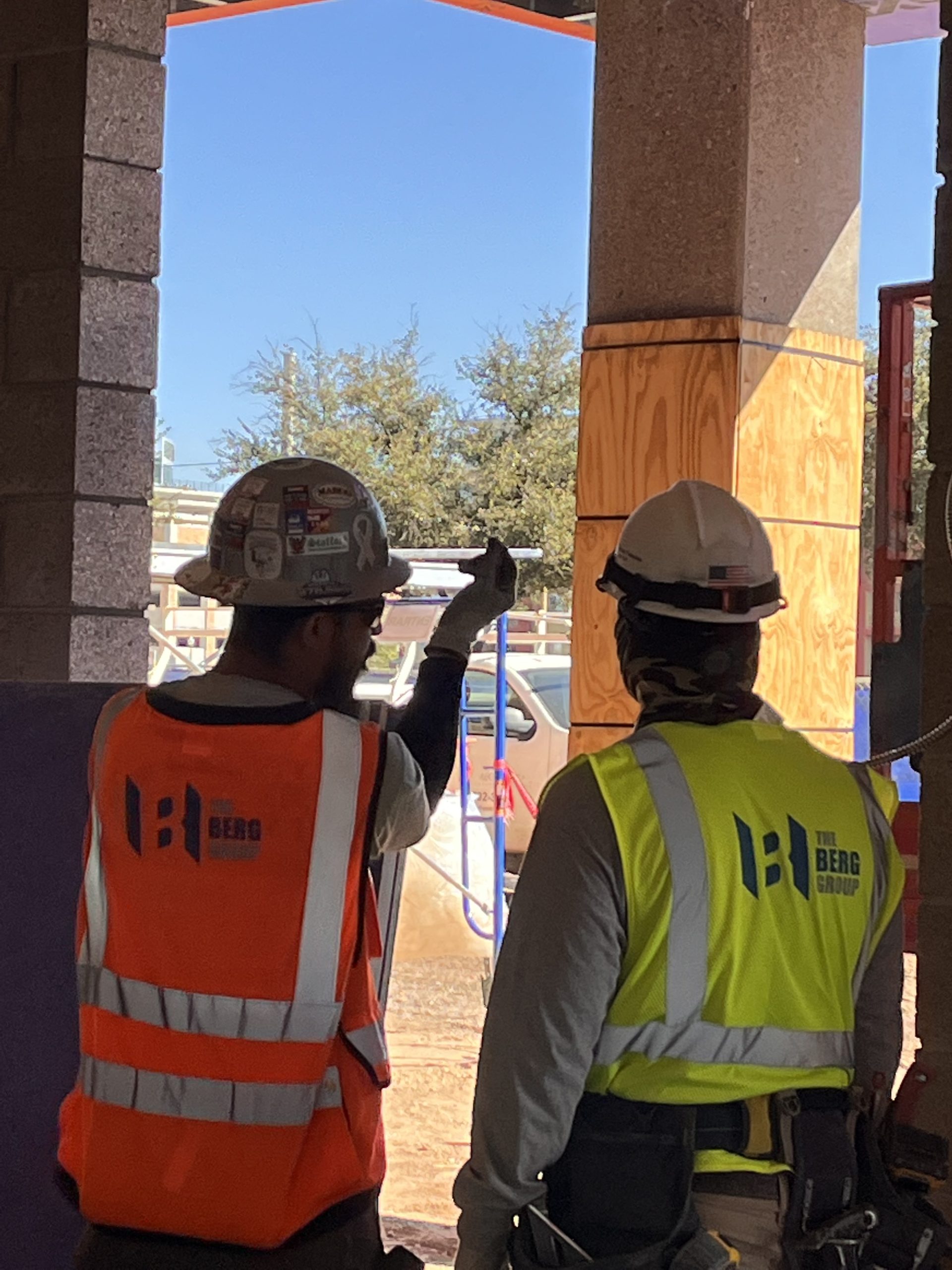
Site walkthroughs are simple but effective ways to help managers and work crews better understand the current site conditions and identify hazards and challenges to be addressed in PTP. Since workers perform the task and directly interact with challenges and hazards present on the job-site, it is crucial to involve workers in site walkthroughs and get their input. This also enables workers to share their concerns with management. It is recommended to:
• Conduct job-site walkthroughs at least once a day.
• Conduct walkthroughs with representatives from management teams and workers of different trades.
• Record (e.g., photograph) hazardous conditions and challenges observed during walkthroughs to address in PTP.
3. Involve workers in daily walkthroughs
• Workers should be involved in site walkthroughs, joining the supervisor or safety manager to observe and discuss potential hazards and to offer practical solutions.
• Because workers directly interact with challenges and hazards associated with tasks, their unique perspectives and observations can help highlight potential hazards that might be overlooked in PTP.
• Workers’ involvement in this activity also makes them feel valued and engaged, leading to increased buy-in to the PTP process.
4. Update and communicate PTP content when conditions change
Conditions on construction job-sites constantly change due to factors such as adjustments to the scope of work, weather, mobilizing major pieces of equipment, or multiple work crews in the same area. PTP content needs to be frequently updated to reflect these emerging hazards and offer proper controls to address them. These changes need to be immediately communicated with work crews. This reduces the risk of accidents or injuries caused by outdated or inaccurate information and fosters a culture of transparency and trust. One way to communicate changes is having huddles after break times or a few minutes of stand-down to explain the new condition.
5. Break the task up into manageable steps or sub-tasks
Breaking up a task into smaller, more manageable steps makes it easier to identify the hazards associated with each step. This helps workers better understand the hazards and allows for effective planning and implementation of appropriate controls. Every PTP should focus on one task. Because craft workers perform the task and know its steps and challenges, it is recommended to get their perspective when developing and implementing PTP.
6. Specify hazards associated with each step of the task
Identifying, discussing, and addressing the hazards associated with each step of the task helps workers better prepare for challenges they might encounter
7. Discuss ways to control each hazard
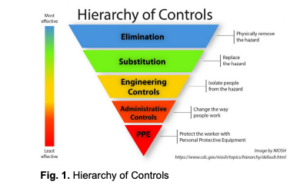
After identifying hazards associated with each step of the task, controls must be put in place to keep workers safe and healthy. As outlined by NIOSH in the hierarchy of controls, the physical elimination of hazards is the most effective way to keep workers safe. When hazard elimination is not feasible, other solutions must be considered and implemented (see Figure 1). Personal protective equipment (PPE) is the last resort for hazard control, so do not rely on it as the primary method.