Day 1: Recognize
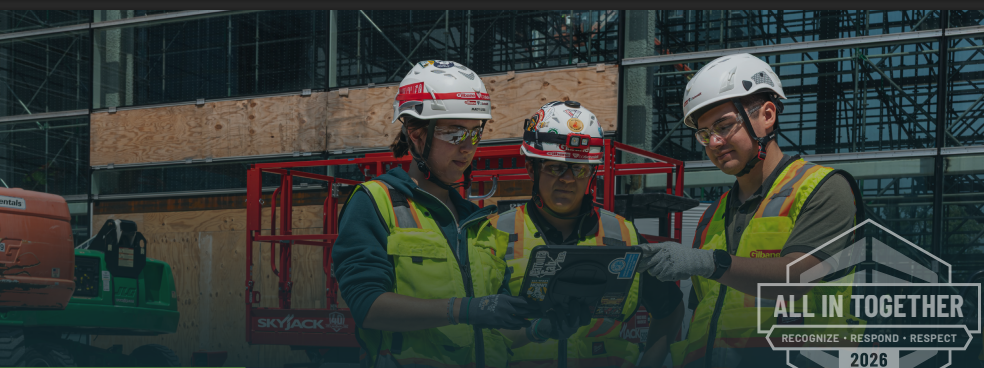
CASE STUDY 1: Imagine you are on a large commercial construction site, your crew was tasked with the installation of steel beams using a mobile crane. The environment is dynamic, with multiple trades working in close proximity and significant potential for energy release incidents.
Ask: What could go wrong here?
Think about – Gravity – A beam falling from the crane. Mechanical – Crane parts moving, slings under tension. Electrical – Power lines close by.
Ask: How do we keep everyone safe?
Here’s what the team did: Clear the lift zone – No one under the load. Set up barriers and signs – Keep people out. Use alarms – Warn when the crane moves. Plan for crane location to have clearance of power lines.
What Happened?
A sling slipped. The beam shifted. But… No one was in the danger zone. No Injuries. No fatalities. Why? Because the hazards were recognized early and controls were in place.
Takeaway:
Before you start an activity, ask:
▪ What’s the “stuff that can kill you” here?
▪ What can we do NOW to keep everyone out of harm’s way?
WRAP UP:
The first case study demonstrates the importance of proactive hazard recognition and control measures in high-risk construction environments. By utilizing the Energy Wheel, the safety team effectively recognized multiple sources of hazardous energy and implemented layered protections, including exclusion zones, physical barriers, and alert systems. The second case study introduces how critical communication is in strengthening safety culture. During the project review, executives sought to engage workers in recognizing daily hazards, but the use of unfamiliar terminology led to confusion and a limited response. By reframing the question in plain, relatable language using hazard identification models, teams can more effectively prompt recognition of SIF risks like falls or struck-by incidents. The benefits are clear: workers feel heard, teams build authentic connections, coaching moments emerge, and seeds of deeper hazard awareness are planted. As an industry, we must unite to prioritize worker safety. Early identification of high energy hazards, combined with clear and effective communication using hazard identification models will not only protect workers but also foster a strong culture of care.